Minesweeper: Read the Board, Then Make Your Move
A cards-category Okada title built around observation, careful choices and a clear stop point.
Quick answer: Minesweeper is a board-based game in which revealed clues help you judge which covered spaces may be safe and which may conceal a mine. Look over the current rules and controls first; no clue or previous result can guarantee what will happen on a later move.
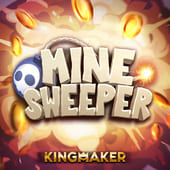
Minesweeper appears in the cards group of the Okada game lobby. The icon identifies the listing; the live game screen is the place to confirm its exact board layout, available actions, round conditions and any displayed terms.
If you are new to the title, use the rules panel before making a choice and decide on a time and spending boundary in advance. A short, planned session is easier to step away from than a series of rushed decisions.
What to Check on the Minesweeper Board
Start with the instructions displayed in the version you open. Board games can differ in layout and wording, so treat the current help panel as the authority for controls and outcomes rather than assuming every version behaves identically.
Board layout
Notice how covered spaces are arranged and which areas are available to select. Do not infer hidden content from artwork alone.
Clue meaning
Read the on-screen explanation for each revealed clue. A number can narrow possibilities without proving that a particular covered space is safe.
Available actions
Confirm what each tap, mark or selection does before using it. If an action is unclear, pause and return to the instructions.
Round conditions
Check how a round begins and ends, whether choices can be undone, and how any displayed result is settled.
The most useful feature is a clear understanding of the board state. Keep track of what is known, what remains uncertain and which rules still need checking. If the game shows a potential reward or multiplier, read its conditions in context; an advertised possibility is not a promise of a particular result.
A visual clue is only useful when interpreted according to the rules. Avoid treating a near miss, an earlier safe selection or a familiar pattern as evidence that the next covered space must be safe. Random outcomes, where present, are not made predictable by repeating a choice.
Before choosing a stake or action, verify the game's exact terms and limits in its current information panel. If a feature, symbol or settlement rule is not explained clearly, do not guess.
Use Clues Carefully, Not as Promises
A clue can inform a decision, but it cannot remove uncertainty unless the rules and board state genuinely establish that conclusion. Slow down long enough to separate confirmed information from a hunch, and accept that some choices may remain uncertain.
- Read each revealed clue. Use the game's own explanation to understand what it describes and which nearby spaces it concerns.
- Compare only relevant information. Review the visible board carefully instead of relying on memory of a previous round or a different game version.
- Mark uncertainty honestly. If multiple covered spaces remain possible, do not call one safe merely because it feels likely.
- Pause before continuing. Recheck your remaining time and budget; stopping is a valid choice whenever you feel rushed or uncomfortable.
There is no dependable sequence that turns Minesweeper into a guaranteed win. Past rounds do not reveal the contents of a new board, and increasing a stake after a loss does not improve the information available. Treat each decision on its own merits and avoid chasing a result.
For a different quick-play option in the same broad lobby group, Color Game has its own presentation and rules. Compare what each title actually explains rather than assuming the games share mechanics or odds.
Separate fact from guess
Keep visible clues distinct from assumptions about unrevealed spaces or future rounds.
Keep a steady pace
Take a break when choices start to feel automatic. A pause is better than a hurried selection.
A Practical Plan for a Short Session
The sensible strategy is to understand the rules, choose a firm limit and stop when that limit is reached. A careful method can help you make deliberate choices; it cannot control random outcomes or guarantee a reward.
1. Review the rules
Find the help or paytable information and confirm board behavior, controls and settlement conditions.
2. Set a budget
Choose an amount you can afford to spend on entertainment before the session starts; do not use essential funds.
3. Decide calmly
Use the available clues, acknowledge what remains unknown and avoid changing stakes to recover losses.
4. Stop on time
End the session when your spending or time boundary is reached, regardless of the last result.
A useful plan is simple enough to follow: decide the maximum spend, set a reasonable time window and keep both limits visible in your mind. If the game does not offer a verified return-to-player figure or a clear explanation, treat that information as unknown rather than estimating it. Do not use a general category label as a substitute for game-specific terms.
Promotions are separate from the rules of a board. Read their eligibility, duration and other conditions before relying on them, and do not let an offer encourage spending beyond your preset limit. You can review Okada promotions and their terms independently before deciding whether to participate.
Only adults legally permitted to take part should use real-money gaming. Do not borrow to play, chase losses or continue when you feel distressed. If play is affecting your wellbeing or finances, stop and seek appropriate local support.
Other Cards & Table Titles to Explore
These related lobby listings may have different rules, pace and controls. Open each title to check its own current details.


The cards and table area brings together different styles of short-session play. A familiar label does not mean that another title uses the same decisions as Minesweeper; check the individual help screen and use an appropriate limit for each game.
For general context on the platform, see about Okada. That overview is separate from a game's specific board instructions, so always use the active title's rules for gameplay questions.
Minesweeper at a Glance
| Item | What to know |
|---|---|
| Lobby group | Cards |
| Core activity | Review a board and make selections using the clues available in the current version |
| Before playing | Confirm controls, round terms and any limits in the in-game information |
| Best practice | Set an entertainment budget and time boundary, then stop when either is reached |
The table is a concise orientation, not a substitute for the live instructions. If the board, controls or conditions presented to you differ, follow the information shown in the game you are actually using.
Ready to Explore Minesweeper?
Review the current rules, make deliberate choices and keep play within your planned limits.